What is Swedish massage, exactly?
Swedish massage is the European oil tradition codified in the nineteenth century, and it remains…The five movements, and where you feel…
Effleurage is the long gliding stroke, used to spread oil and open and close every region.Oil, heat and skin
Oil is not a garnish; it is what makes the technique possible.❖Official details at a glance
❖What is Swedish massage, exactly?
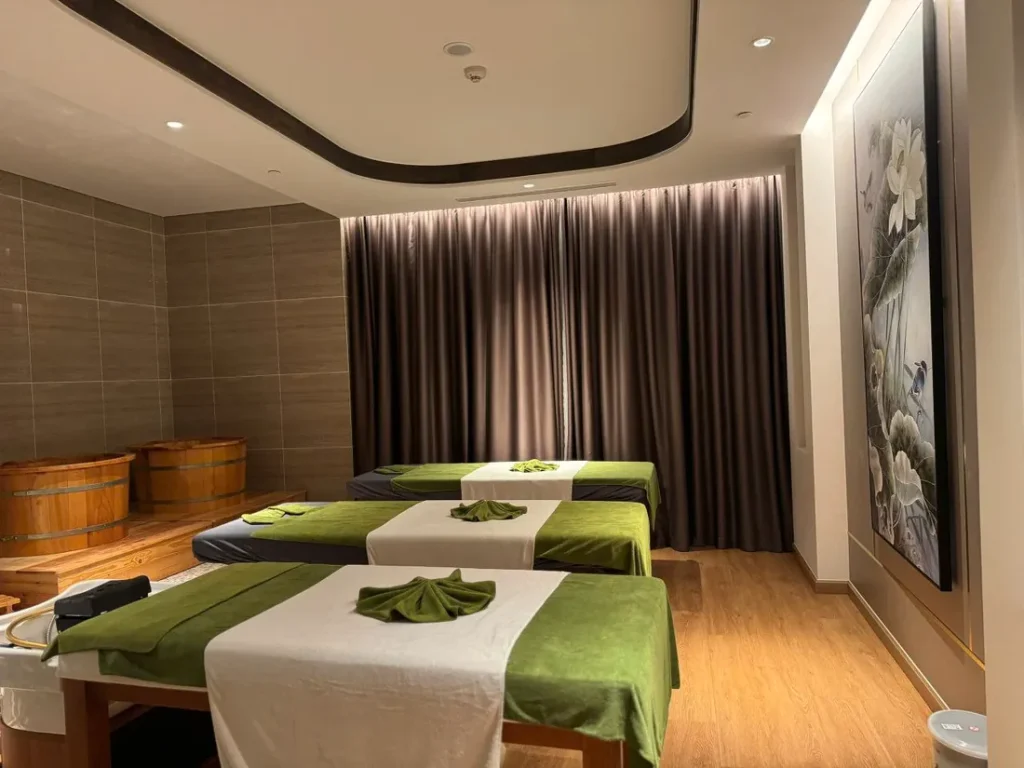
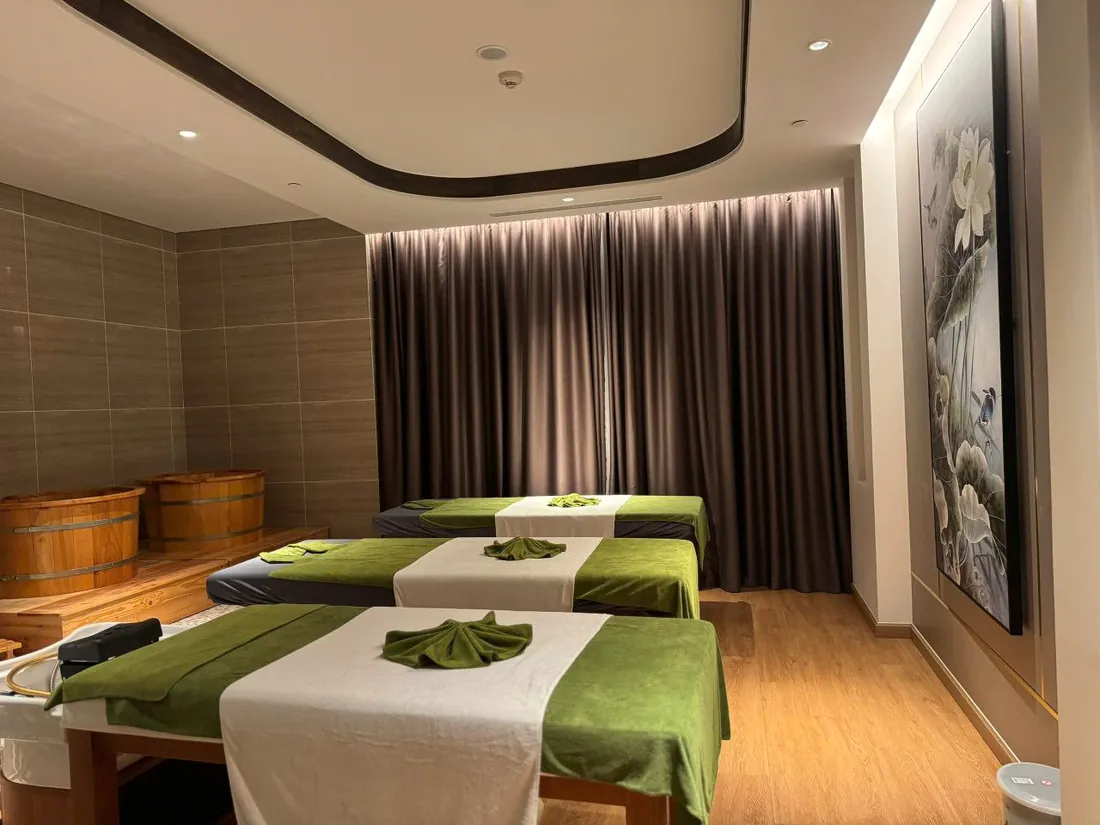
Swedish massage is the European oil tradition codified in the nineteenth century, and it remains the reference technique most other Western styles are described against. Its defining feature is oil: the hands glide across skin continuously rather than gripping, pressing through clothing, or stopping at fixed points.
Its target is mainly circulatory and superficial. Long strokes move blood and lymph toward the heart, kneading works waste products out of tired muscle, and the sustained contact settles the nervous system. It is not primarily a structural technique and does not claim to be.
That is why it suits travellers so well. After a flight or a long day on foot, the problem is usually generalised fatigue and sluggish circulation rather than one seized joint, and a technique built for exactly that will do more good than an aggressive one built for something else.
❖The five movements, and where you feel each
Effleurage is the long gliding stroke, used to spread oil and open and close every region. Petrissage is the kneading and lifting that follows, working muscle between the fingers and thumb, and it is where most of the tangible change in a tight shoulder actually happens.
Friction is deep circular pressure held over one spot, usually applied along the spine or into a knot, and it is the most intense of the five. Tapotement is the rhythmic percussion, drumming or chopping across broad muscle, and it is stimulating rather than relaxing.
Vibration is a fine shaking or trembling pressure, generally used to finish a region. In a full hour you will meet all five, weighted heavily towards effleurage and petrissage, with friction reserved for the specific places that need it rather than applied throughout.
❖Oil, heat and skin
Oil is not a garnish; it is what makes the technique possible. Without it, a long stroke drags and pulls the skin rather than sliding over it, which is uncomfortable and defeats the point. The oil is warmed before application because cold oil makes muscle brace instead of releasing.
It follows that skin condition determines whether a session works. Sunscreen, salt and sand turn oil gritty, which is why a shower comes first. Any broken skin, rash or infection means the area is left alone, and if it is widespread, the session should be postponed.
If you have allergies, say so before rather than after. In a hot, humid climate a light oil is used rather than a heavy balm, because anything thick sits on the skin instead of absorbing and leaves you feeling coated for hours afterwards.
❖How do I ask for the pressure I want?
Decide in advance whether you want light, medium or firm, and say it at the start rather than waiting to see, because pressure is the single most common source of disappointment and it is entirely preventable. Therapists calibrate to the average guest, not to a guest who has said nothing.
Learn the difference between ache and pain. A good ache is dull, spreads outward, and eases as the stroke continues; you can breathe through it normally. Pain is sharp, stays local, and makes you hold your breath. The first is productive and the second means speak up.
You are also allowed to change your mind mid-session, and to want different pressure in different regions, which is extremely common. Firm across the shoulders and light on the calves is a perfectly ordinary request, not an awkward one.
❖The muscles a Nha Trang trip leaves sore
The upper trapezius and the neck come in worst, from a combination of aircraft seats, a bag on one shoulder, and hours looking down at a phone for maps and translation. This is the region that most often produces the involuntary noise on the first stroke.
The lower back follows, particularly for anyone who has spent days on the back of a scooter or in cramped transfers. Calves and the soles of the feet come next, punished by sand walking, which loads the lower leg far more than a paved surface does.
The shoulders and lats take a beating from snorkelling and swimming, especially for people who do neither at home, and the forearms suffer more than expected from carrying a camera. A full-body hour reaches all of it, which is the argument for a whole session over a targeted twenty minutes.
❖Swedish compared with Thai, deep tissue and foot reflexology
Thai massage uses no oil, is performed on a mat with clothing on, and combines compression with assisted stretching. It is energetic and can be superb, but it is an active experience rather than a passive one and it is not what most people picture when they imagine relaxing.
Deep tissue targets the layers beneath the surface with slow, heavy, sustained pressure over a small area. It is remedial work aimed at a specific problem, it can leave you sore for a day or two, and it is the wrong choice for someone who simply wants to recover from travelling.
Foot reflexology works the soles alone, on the theory that regions of the foot map to the rest of the body. It is cheap, widely available on the tourist grid, and pleasant, but it addresses one part of the body while the rest of the fatigue stays where it is.
❖When should I skip an oil massage?
Fresh sunburn is the most common reason, and it disqualifies a session outright. Long strokes over inflamed skin are painful during and worse afterwards, and no amount of care in the technique compensates. Give it a couple of days rather than trying to work around it.
Diving is the other big one. Do not book a massage in the hours immediately following a dive; leave a proper surface interval and follow whatever guidance your dive operator gives about post-dive activity. Fever, an active infection or a recent injury are all reasons to postpone as well.
If you are on medication that affects circulation or bleeding, or you are managing a cardiovascular condition, ask a doctor rather than a therapist. Massage is not risk-free simply because it is pleasant, and a venue that waves those questions away is not one to trust.
❖The twenty-four hours afterwards
Drink water, more than you think you need. An hour of oil work in a humid coastal climate is mildly dehydrating on its own, and combined with a sauna beforehand it is enough to leave people headachy in the evening if they go straight back out without drinking anything.
Mild soreness the next day is normal, particularly if firm pressure was used on muscle that had not been touched in years. It should feel like the after-effect of exercise and should fade within a day. Sharp or worsening pain is not normal and is worth having looked at.
Do not schedule anything demanding straight afterwards. The most common mistake is arranging a massage before a long walk or a late night out, when the technique is designed to leave you heavy and relaxed. Plan for a quiet evening and you get considerably more out of the hour. At Hoang De Spa that hour is the sixty-minute Emperor Course, 1,600,000 VND, worked in this oil style.
❖Who this is for
- Guests who want to understand the strokes and physiology behind an oil massage rather than just book one
- Travellers unsure how Swedish differs from Thai, deep tissue or foot reflexology
- Anyone with sunburn, a recent dive, an injury or a medical condition who needs to know whether to postpone
Read this if you want to understand the technique itself, or if you have never been sure how Swedish differs from Thai or deep tissue work.