Why is the spa men-only?
A single-clientele policy makes the whole operation predictable.Who is on the floor
The team is small and stable, which is a direct consequence of running one course.Which languages are spoken on the floor?
Korean and Chinese are spoken on the floor, and straightforward English covers the practical parts…❖Official details at a glance
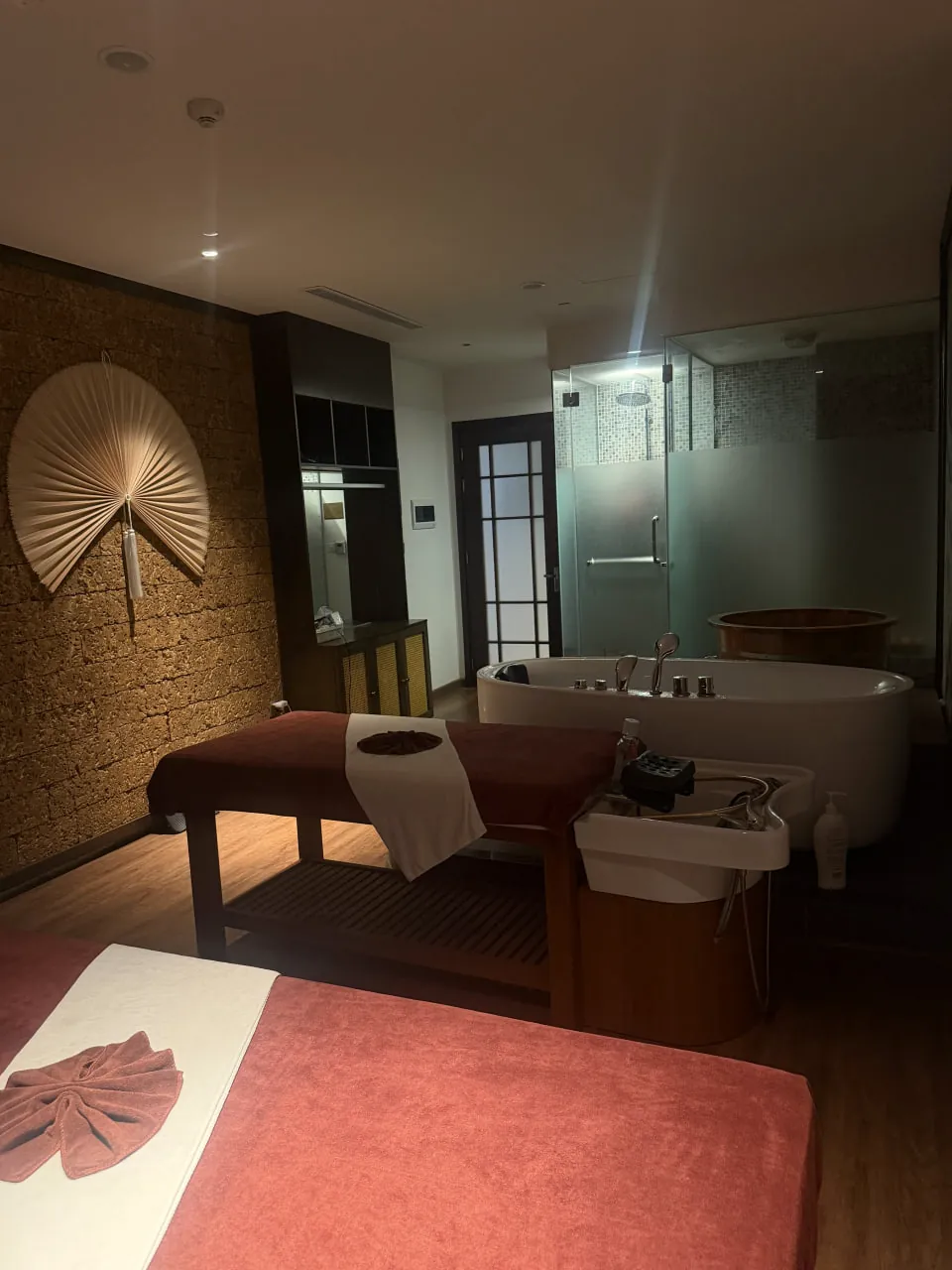
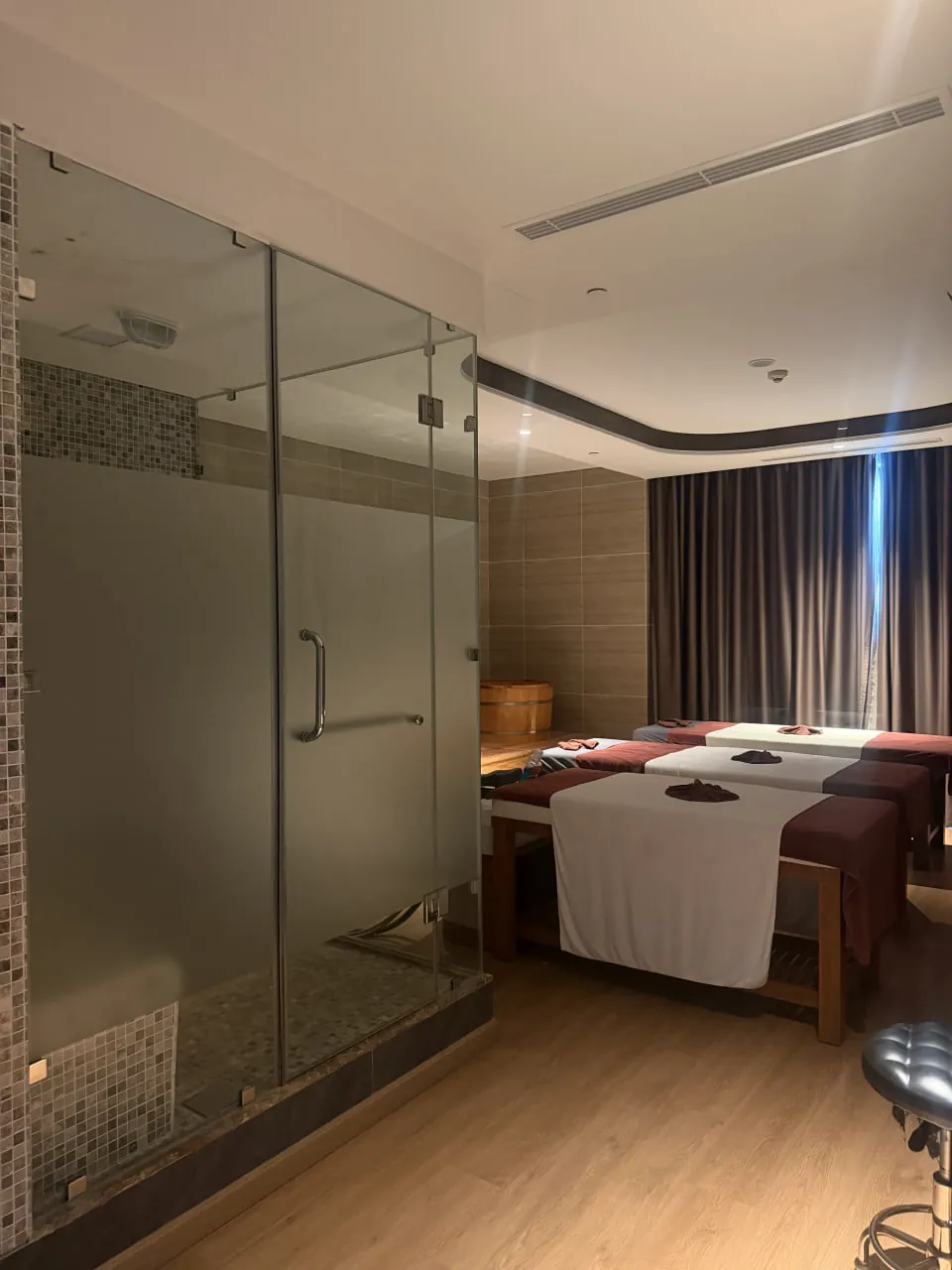
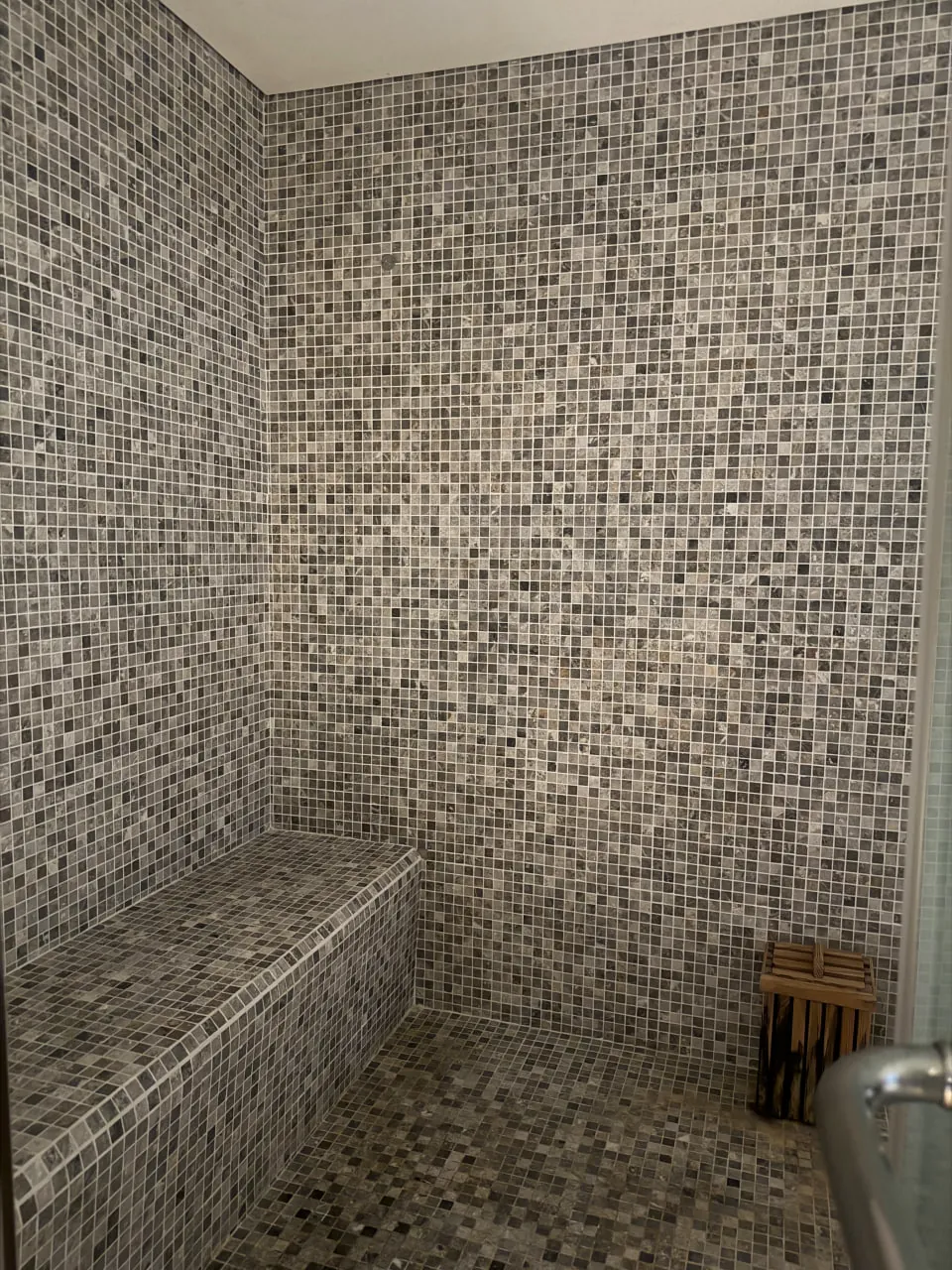
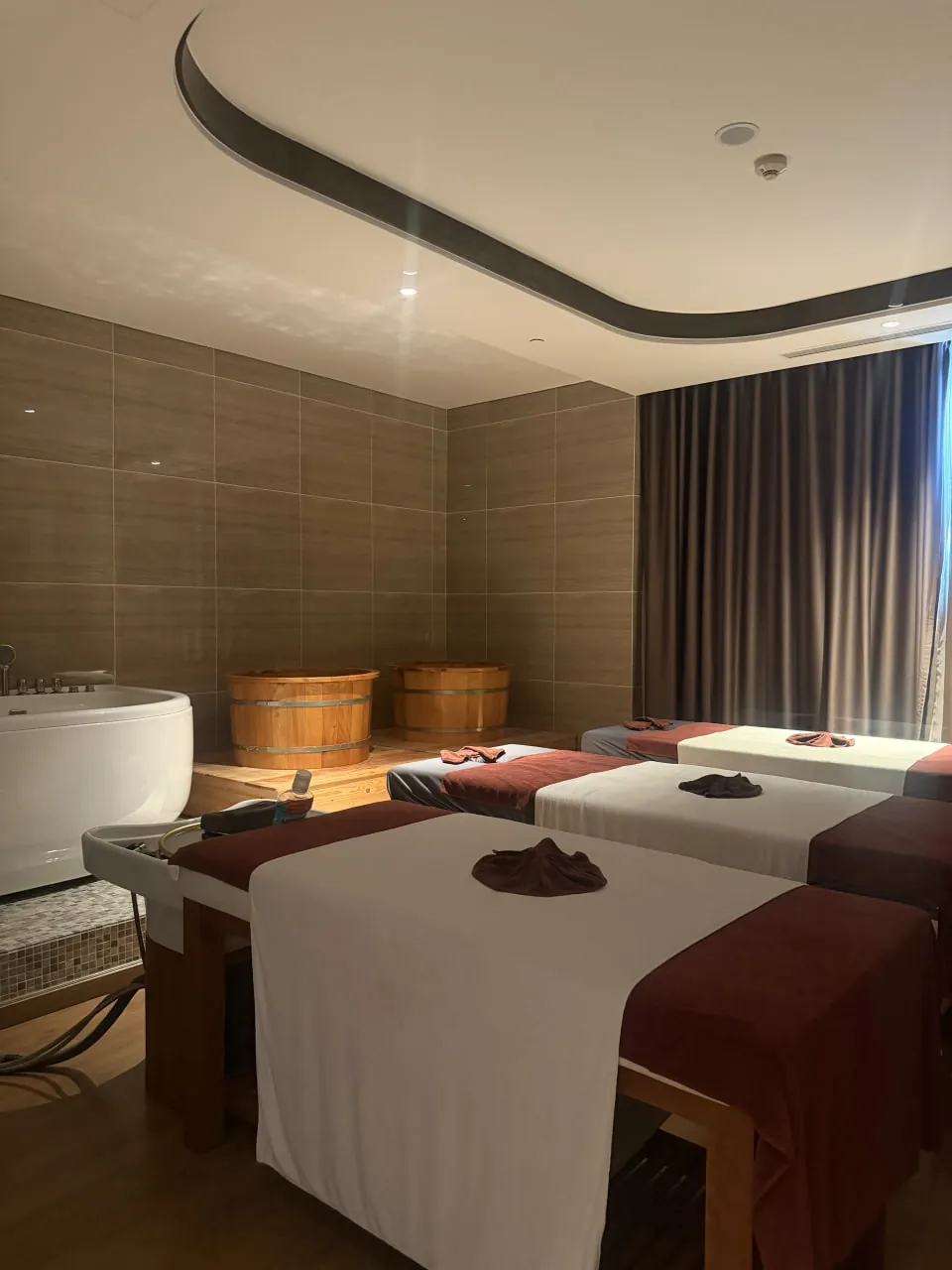
❖Why is the spa men-only?
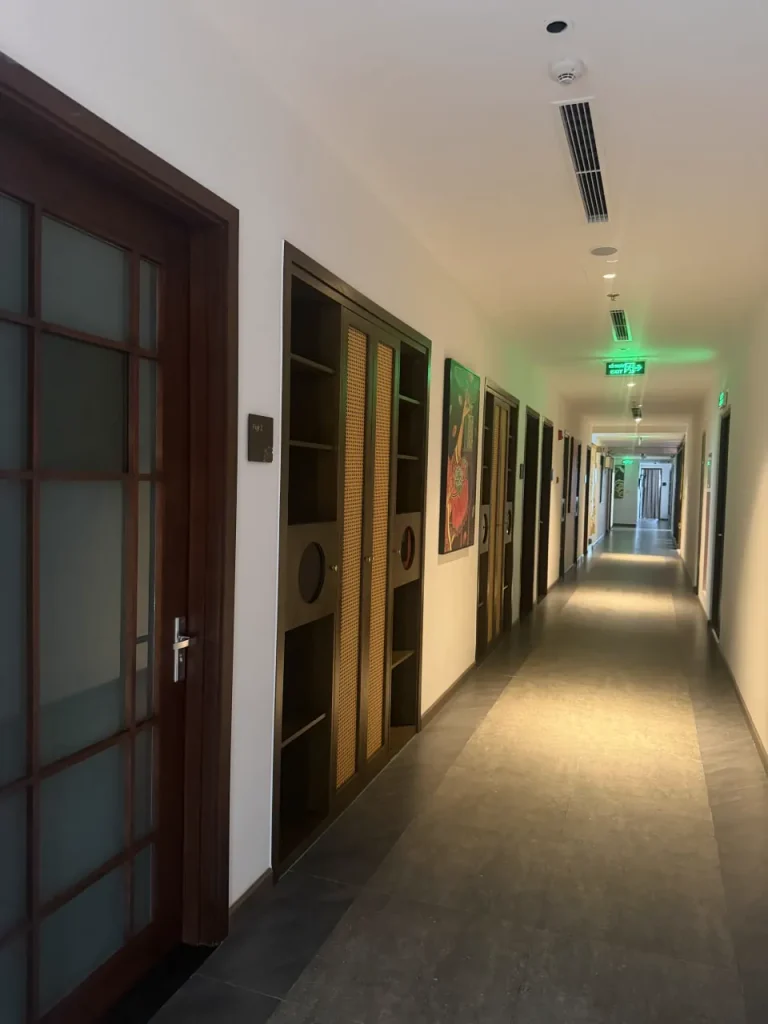
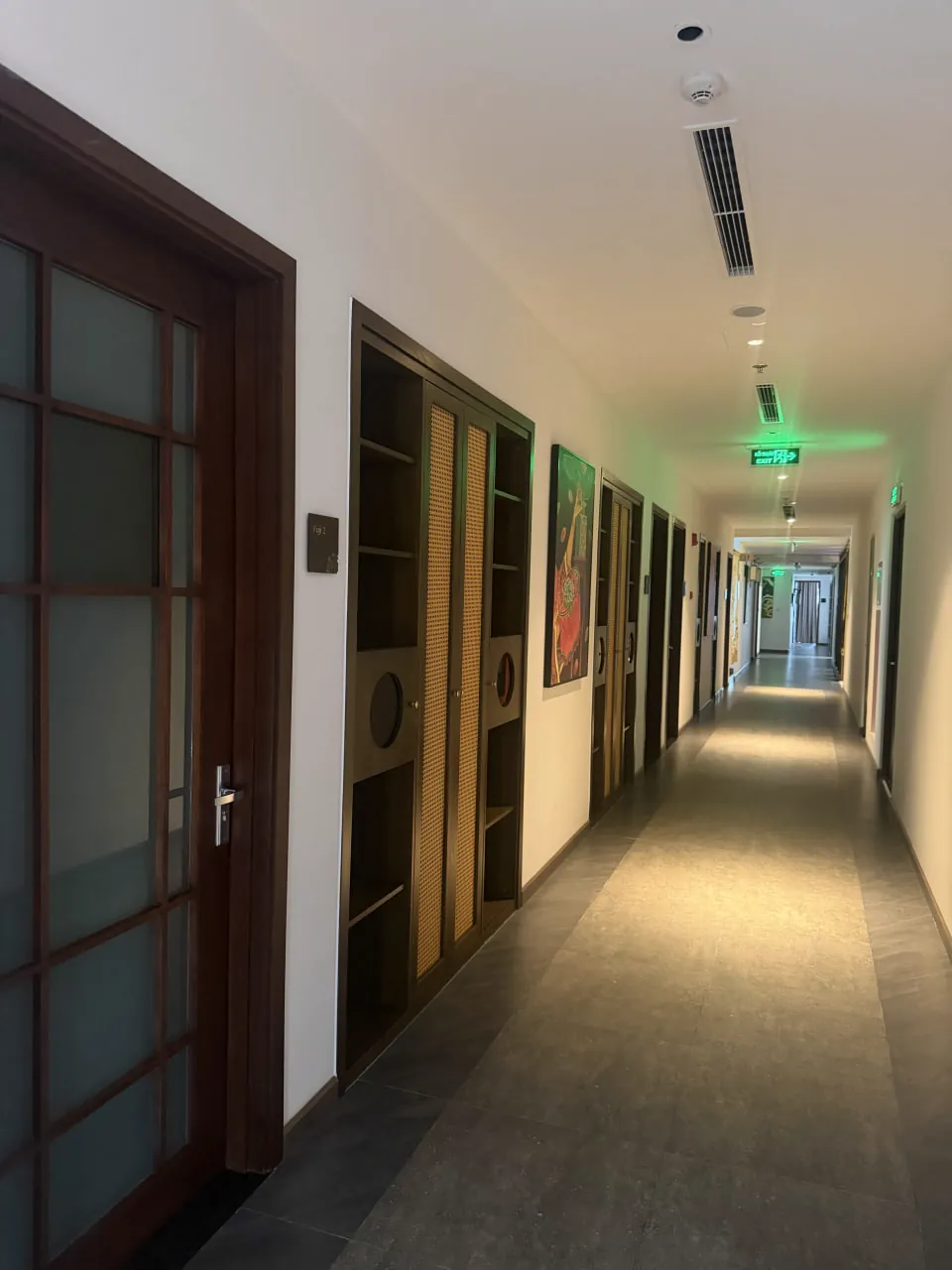
A single-clientele policy makes the whole operation predictable. Everyone in the corridor is there for the same treatment, the changing arrangements need only one configuration, and nobody is negotiating shared space with a group whose expectations are different. Predictability is most of what makes a small venue calm.
It also settles the question of who might be in the next room, which is the thing solo guests most often want to know and least often ask. When the answer is fixed by policy rather than by whoever happened to book that evening, there is nothing left to wonder about.
This is enforced rather than implied. Plenty of venues in the city advertise towards men while admitting everyone, which is a legitimate way to run a business but a different one. Here the door policy is the policy, and it does not bend for a booking.
❖Who is on the floor
The team is small and stable, which is a direct consequence of running one course. Everyone on shift delivers the same treatment, so quality does not depend on which room you were shown into or on how busy the evening turned out to be.
One course also means the training is deep rather than broad. Instead of maintaining competence across a long menu, the team refines a single sixty-minute sequence, and the difference shows in the parts guests rarely think about, such as pacing and how pressure transitions between regions.
Continuity matters more than headcount here. Returning guests generally recognise the people on the floor, and the people on the floor generally remember what a returning guest asked for last time, which removes a conversation that otherwise has to happen at every visit.
❖Which languages are spoken on the floor?
Korean and Chinese are spoken on the floor, and straightforward English covers the practical parts of a booking. Most arrangements happen in writing before arrival, which is more reliable than speaking: a typed date and hour survives an accent and a noisy lobby, and a phone call often does not.
The useful trick is agreeing vocabulary in advance. Settle on your words for lighter, firmer and stop while you are still in the chat, and the session needs almost no talking at all, which is generally what guests want once they are actually on the table.
Nobody is expected to speak Vietnamese, and nobody will be embarrassed into pretending they understood something. If a sentence does not land, it gets repeated shorter and simpler until it does, which is a normal part of running a venue that serves four language groups.
❖What am I expected to do as a guest?
Turn up roughly when you said you would, or send a message. Shower or use the wet area on arrival. Put your phone on silent before you go through, since a ringing handset carries in a quiet corridor and interrupts more than just your own hour.
Mention anything physical at check-in: an injury, a recent operation, a skin condition, sunburn, or a region you would rather were left alone. It takes fifteen seconds at the start and it saves an uncomfortable adjustment ten minutes into the treatment.
Arrive sober enough to give a clear answer about pressure. Alcohol dulls the feedback the therapist relies on, and heavy drinking beforehand combined with heat and oil work is the most common cause of a guest feeling unwell at the end of a session.
❖What a guest is owed in return
No upselling, at any point. There is nothing to sell you, which is the practical benefit of a house with one course. Nobody will present an alternative once you are on the table, and nobody will suggest that the session could be improved by an arrangement made privately.
Nothing is expected on top of the published figure, by anyone in the building. No member of the team will hint at it, and a guest who wants to give something extra is under no obligation to do so and will not be treated differently for declining.
You can stop. If a session is not working, saying so ends it without argument and without anyone acting as though you have caused a problem. That right exists at every point in the hour, and it does not need justifying.
❖The tipping question, answered plainly
Tipping culture in Vietnam is genuinely inconsistent, which is why the subject causes so much anxiety for visitors. Some venues treat a supplement as customary and price the headline figure accordingly; others include everything. Both models exist within a few hundred metres of each other on the beach road.
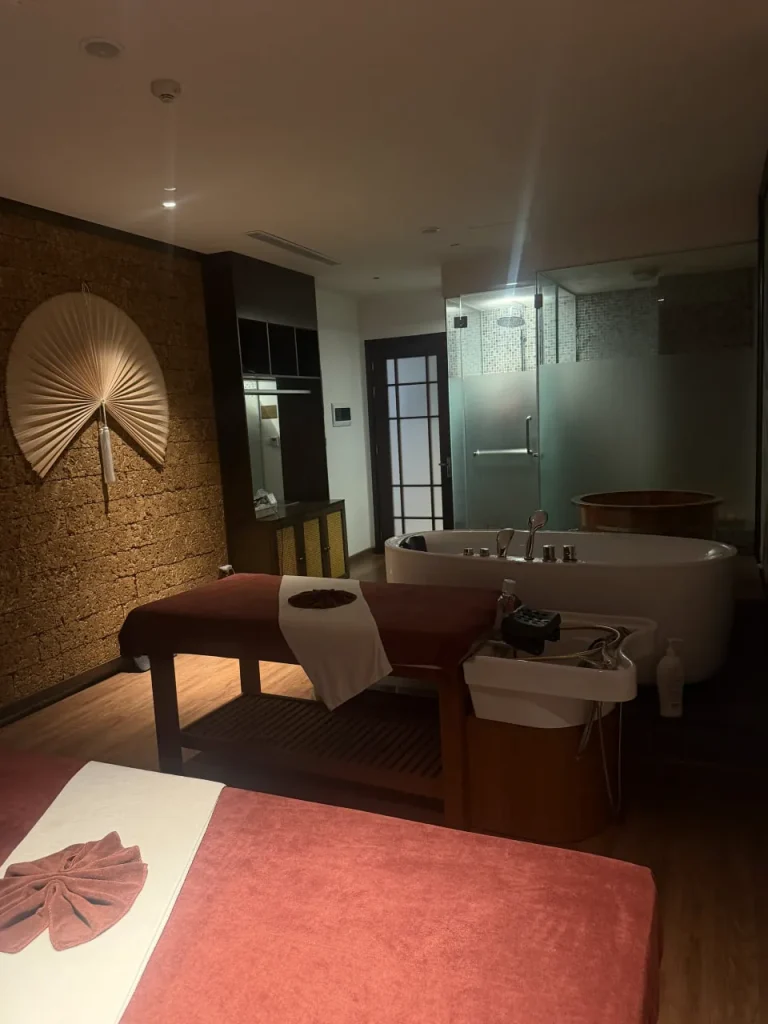
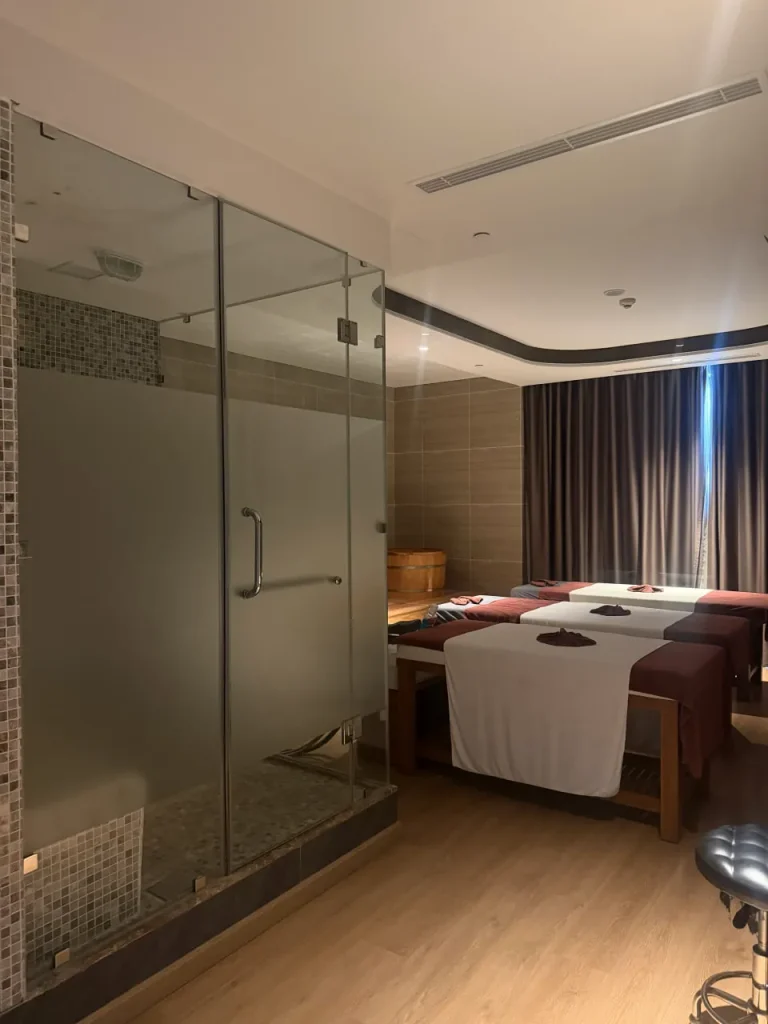
This house takes the second position. The 1,600,000 VND covers the sixty-minute course, the room and the wet area, and nothing is added at the counter. That is the entire policy and there is no unwritten version of it operating alongside.
If you are used to leaving something, nobody will refuse it awkwardly, but the point of publishing the figure is that you should never have to guess. A guest who pays exactly what is written has paid the correct and complete amount.
❖If something goes wrong
Say it while it is happening. Pressure that is too strong, a room that is too cold, a region that hurts rather than aches, or a pace that feels rushed can all be fixed inside the same session, and none of them can be fixed after you have left the building.
If it is not something the room can resolve, raise it at reception before you go. A small house can actually respond to that, because the person hearing it is the person who runs the floor rather than a shift supervisor forwarding a form somewhere else.
Afterwards, the same chat channels used for booking work for anything else. Messages go to the floor, so a complaint arrives where it can be acted on rather than at an inbox nobody with authority reads.
❖Coming alone, or with friends
Most guests come alone, and it needs no explanation. Solo visits are the ordinary case rather than the exception, and nothing about the arrival, the corridor or the reception is arranged in a way that makes a single guest conspicuous.
Friends travelling together can book adjacent times, but they will be in separate rooms, because one guest per room is not a preference that can be waived. Arriving together and leaving together is fine; sharing a room during the treatment is not offered in any form.
There is no group rate and no arrangement for parties, which is worth knowing if you are organising something for several people. A small house with a fixed course handles individuals well and handles groups by asking them to book like individuals.
❖Who this is for
- Guests who want to know the conduct rules and the men-only door policy before booking rather than at the counter
- Korean- and Chinese-speaking visitors working out how communication will be handled during a treatment
- Anyone unsure whether a tip is expected, or what to do if something during a session is not right
Read this if you want to know the ground rules of the place before you arrive, in both directions.